

NDT SERVICES
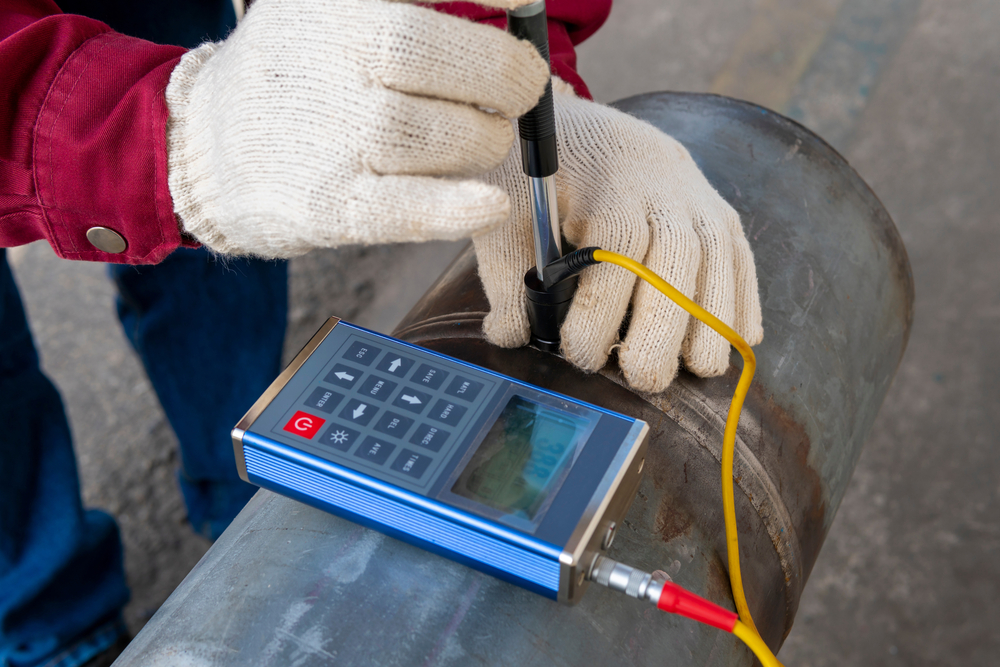
Hardness Testing
Hardness tests are extensively used to characterize a certain material and to identify if it is appropriate for its intended purpose. All hardness tests involve the utilization of a particularly shaped indenter that is harder than the material under testing. The indenter is pressed onto the test surface with the use of a certain amount of force. The size of the depth of the indent is measured in order to determine the hardness value.
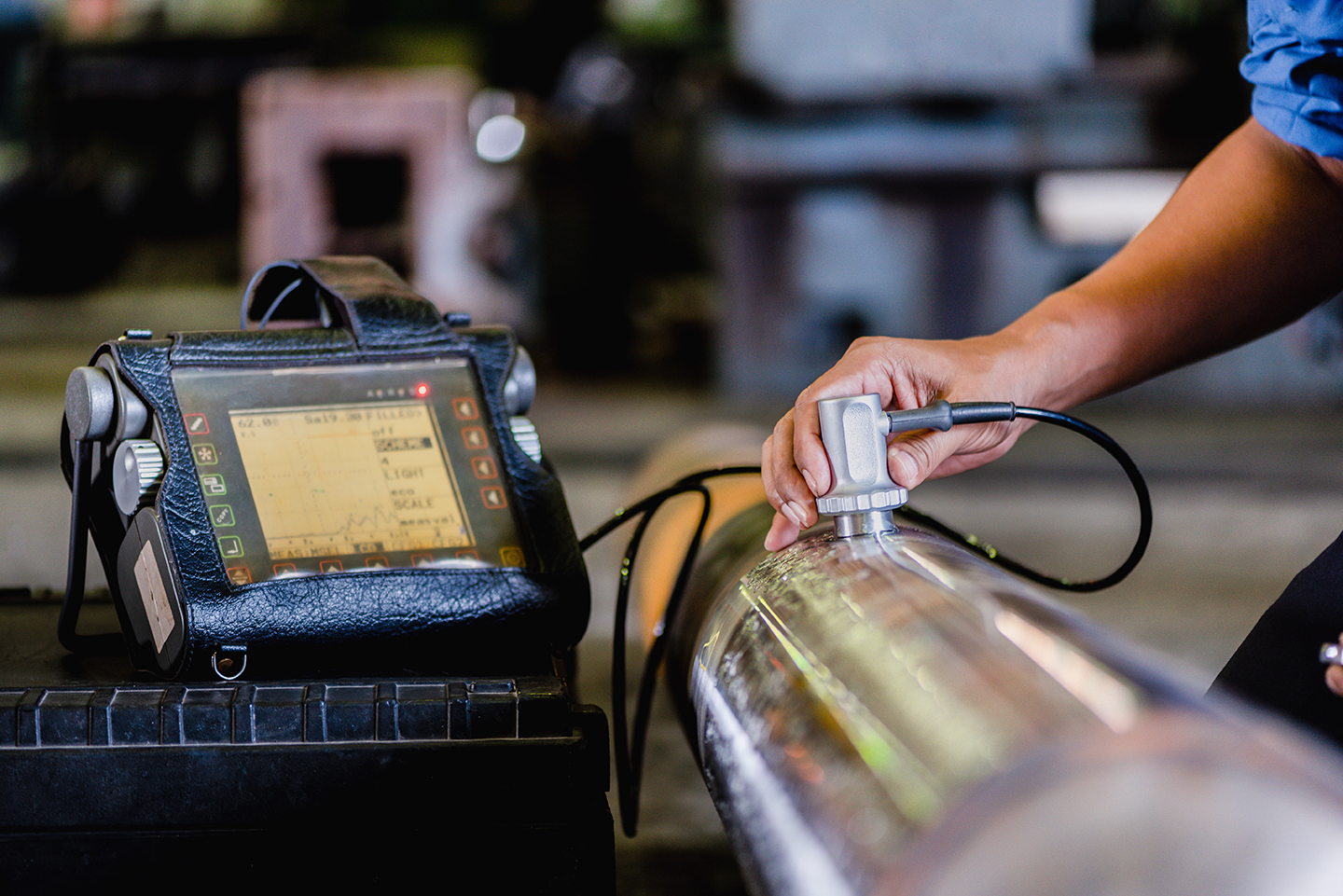
Wall Thickness Testing
Ultrasonic thickness (UT) measuring is essential across many industries to monitor corrosion, erosion and damage. Ultrasonic thickness measurement (UTM) is commonly used and the method can be applied to a wide range of structures and components that includes ship hulls, piping, pressure vessels and structural steel.

Chemical Spark Analysis
This type of chemical analysis test involves exposing the sample to an electrical spark and measuring the different wavelengths of light that are emitted. This data then allows us to work out the proportion of elements that are present within the sample.
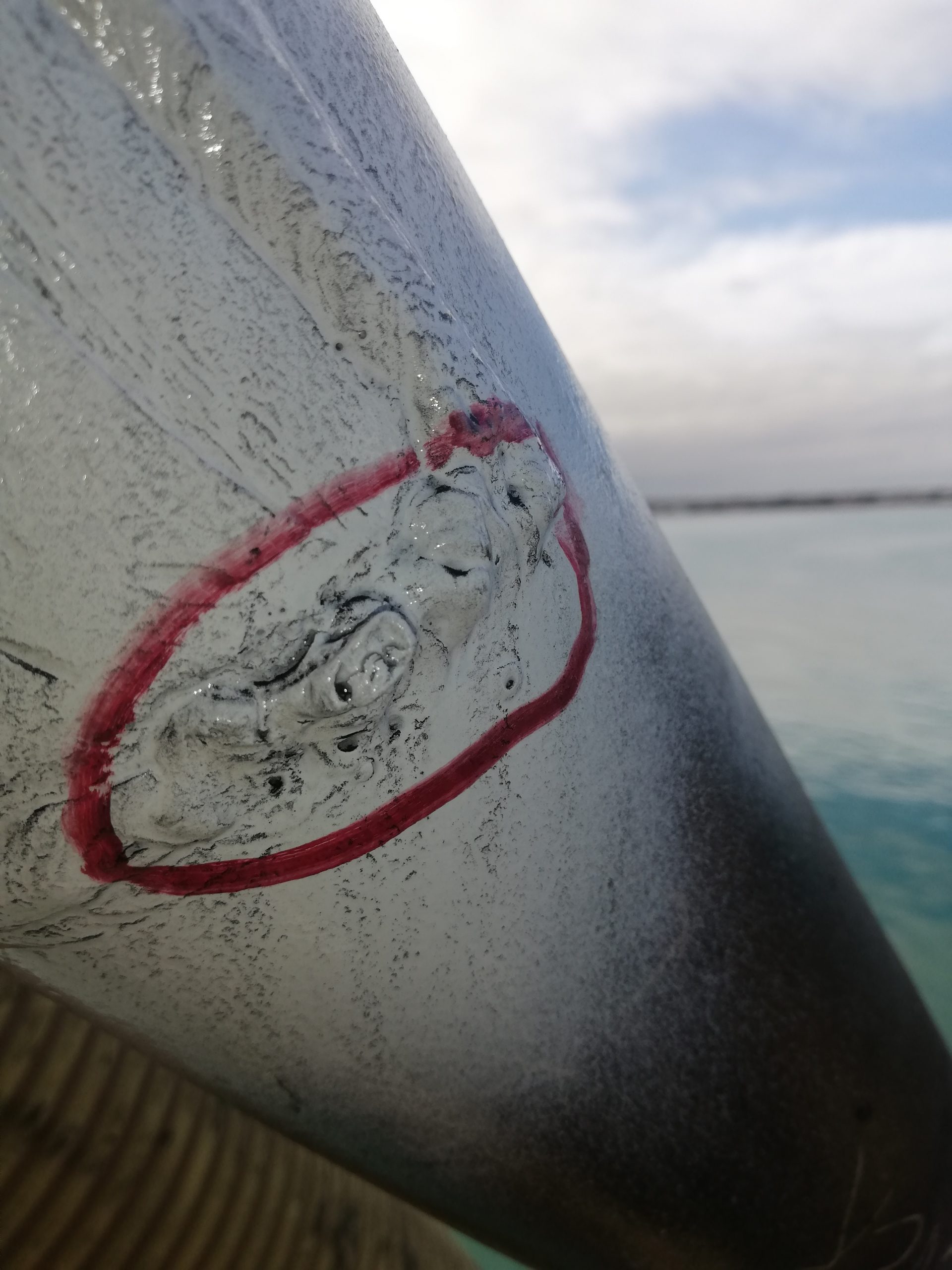
Visual Inspection
Visual Testing (VT) is based on the inspection for flaws that are visible to the naked eye and is the most commonly used NDT method across all industries. It allows for a feasible and fast control of quality at every step of the fabrication or maintenance process.
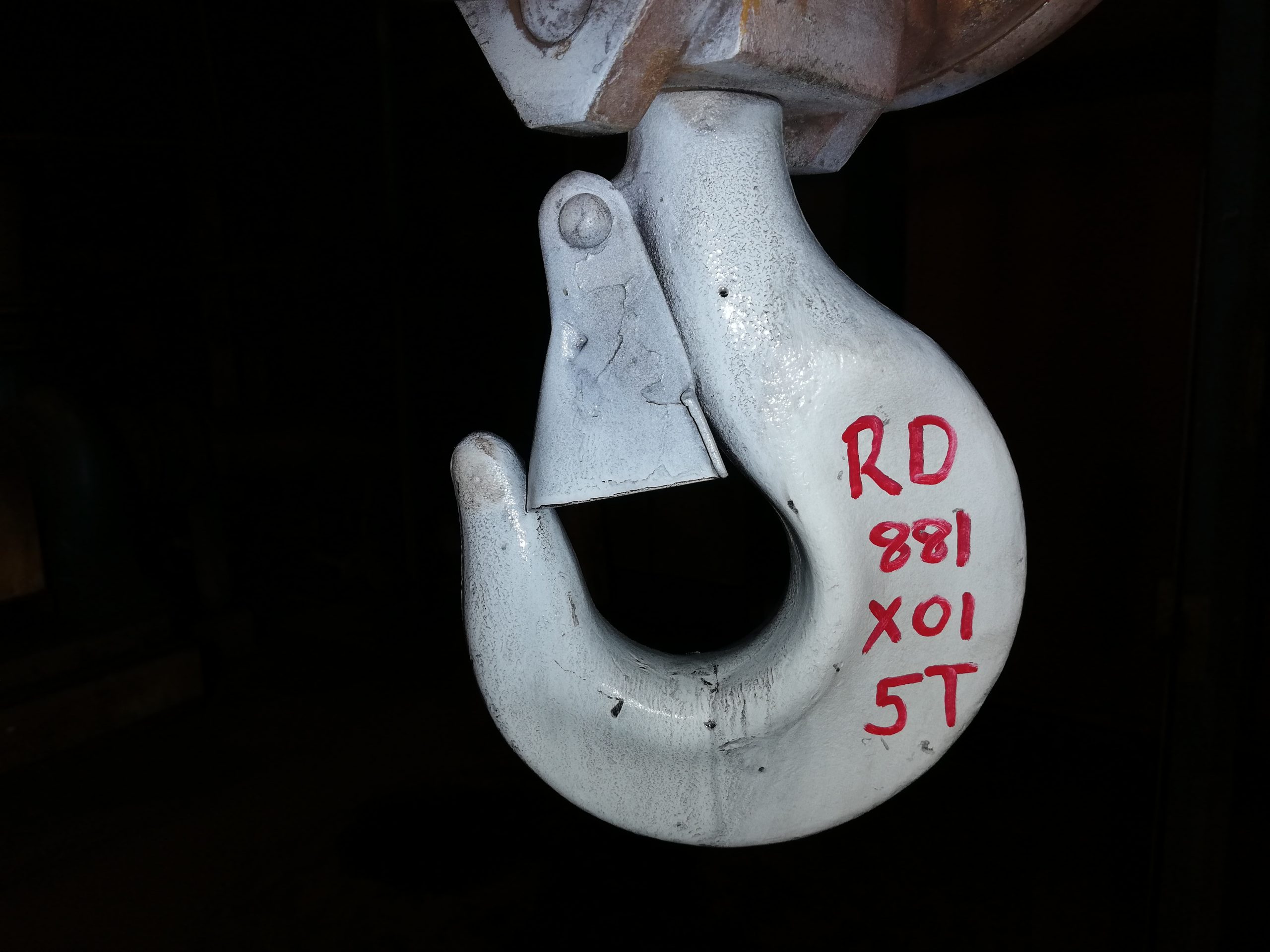
Magnetic Particle Inspection
Magnetic particle inspection is an inspection method used to identify defects on the surface of ferromagnetic materials by running a magnetic current through it. It can also be used to detect defects just beneath the surface of materials. The types of defects it can detect include cracks, pores, cold lap, and the lack of sidewall fusion in welds. Magnetic particle inspection (MPI) is also commonly called magnetic particle testing (MT), magnetic testing, or particle inspection.
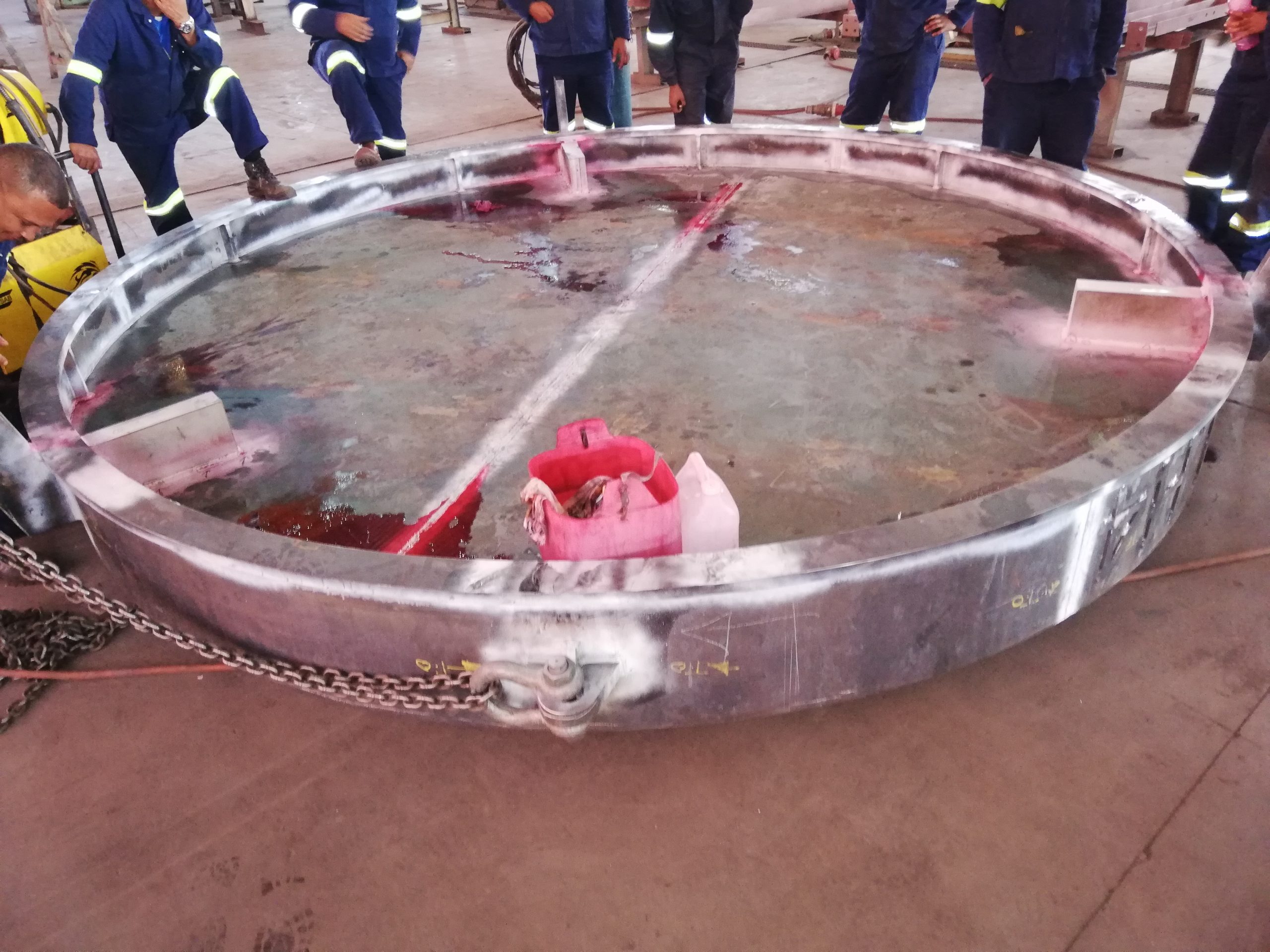
Dye Penetrant Testing
This non-destructive testing technique, also known as liquid penetrant inspection (LPI), is a cost-effective method used to locate surface breaking flaws such as cracks, porosity, laps, seams and other surface discontinuities. Dye penetrant inspection can be applied to both ferrous and non-ferrous materials and all non-porous materials (metals, plastics or ceramics). It is commonly used to detect defects in castings, forgings and weldments.
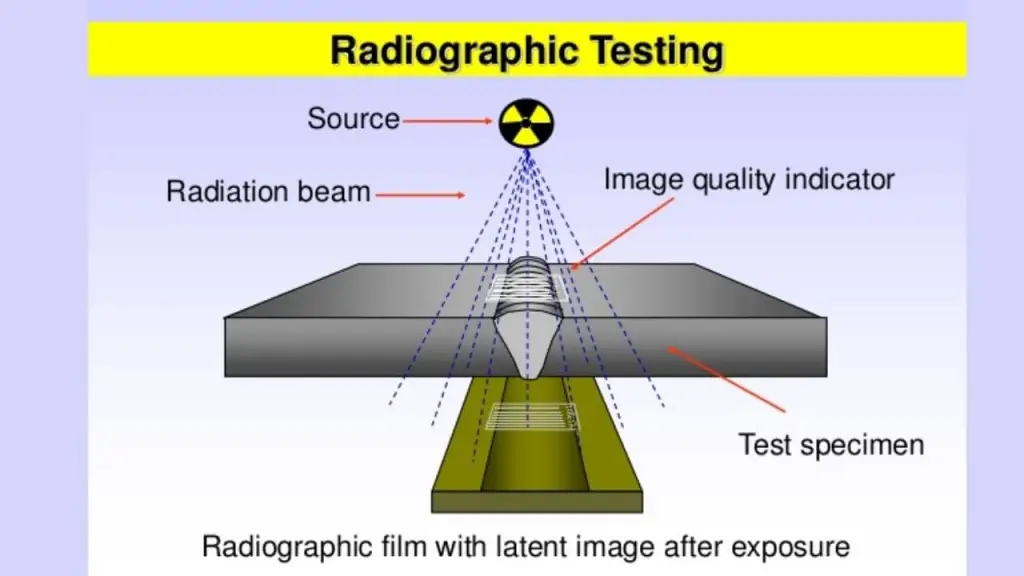
Radiographic Testing (X-Ray)
Industrial radiography is a modality of non-destructive testing that uses ionizing radiation to inspect materials and components with the objective of locating and quantifying defects and degradation in material properties that would lead to the failure of engineering structures. It plays an important role in the science and technology needed to ensure product quality and reliability.
Borescope Inspection
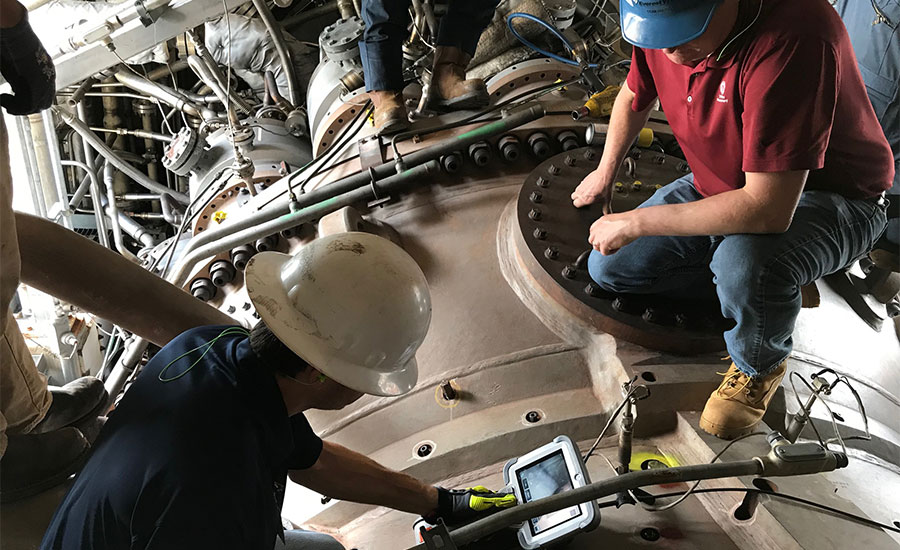
Borescopes are mostly used in nondestructive testing techniques for recognizing defects or imperfections and visual inspection work where the area to be inspected is inaccessible by other means. Borescopes are commonly used in the visual inspection of aircraft engines, aeroderivative industrial gas turbines, steam turbines, diesel engines, and automotive and truck engines.
Ultrasonic Testing
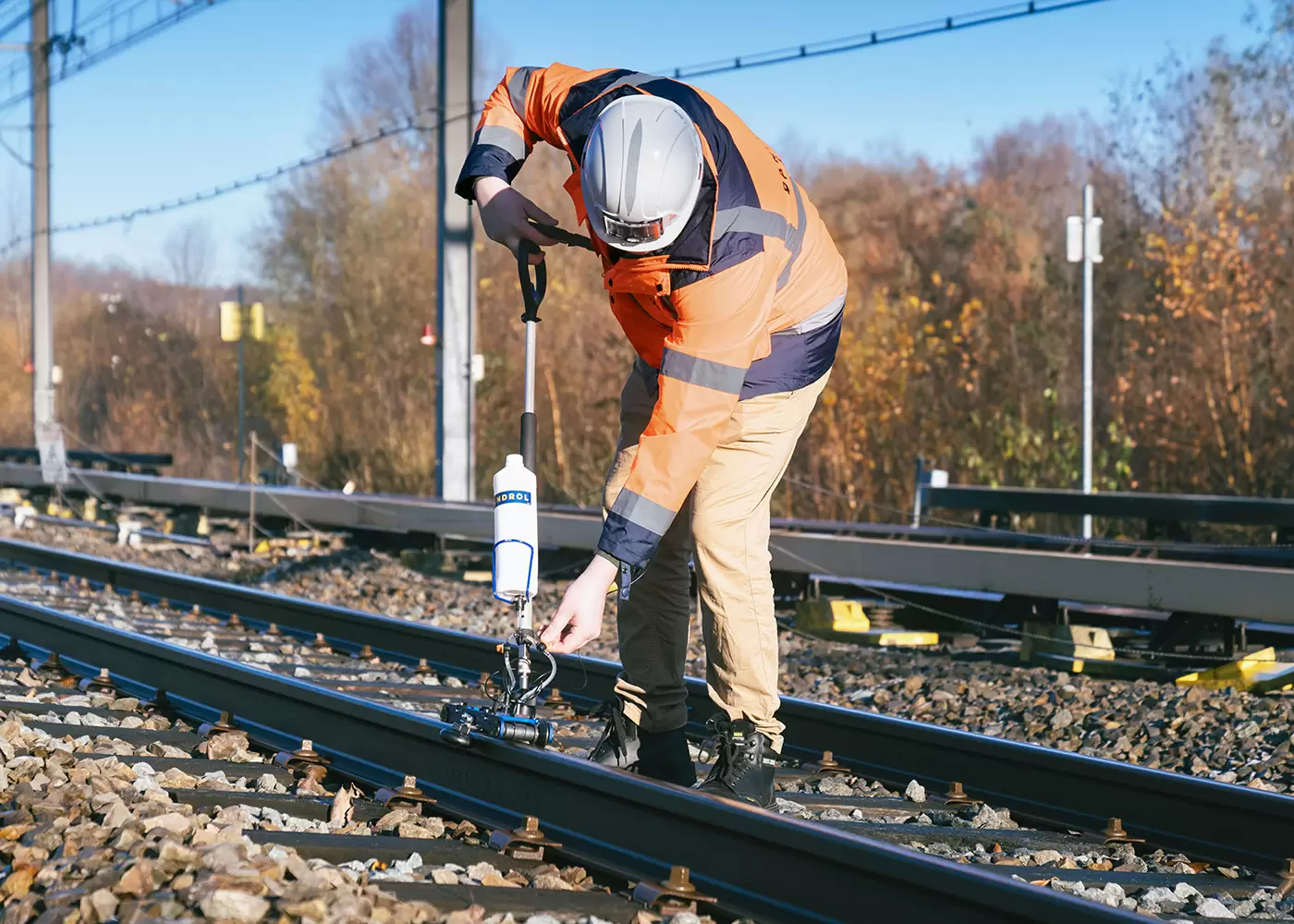
Ultrasonic testing is a family of non-destructive testing techniques based on the propagation of ultrasonic waves in the object or material tested. In most common UT applications, very short ultrasonic pulse-waves with center frequencies ranging from 0.1-15 MHz, and occasionally up to 50 MHz, are transmitted into materials to detect internal flaws or to characterize materials.
What is NDT?
Whether it is ships, drilling rigs, bridges, power stations, petrochemical plants, cars or oil and gas pipelines, shopping buildings, space travel, defense purposes, archaeology, art and many more, NDE is used to examine metal structures everywhere.
Certainly, it is vital to be able to examine whether welding joints are 100 % secure. With Non-Destructive Examination it is important that an object or a structure can be examined for possible faults without that object being destroyed or permanently deformed.
Precisely because it causes no damage during examination, NDE is ideal for carrying out inspections during the production process and maintenance, which is also the reason why it is used in so many different fields.